How Much Iron Does My Child Need?
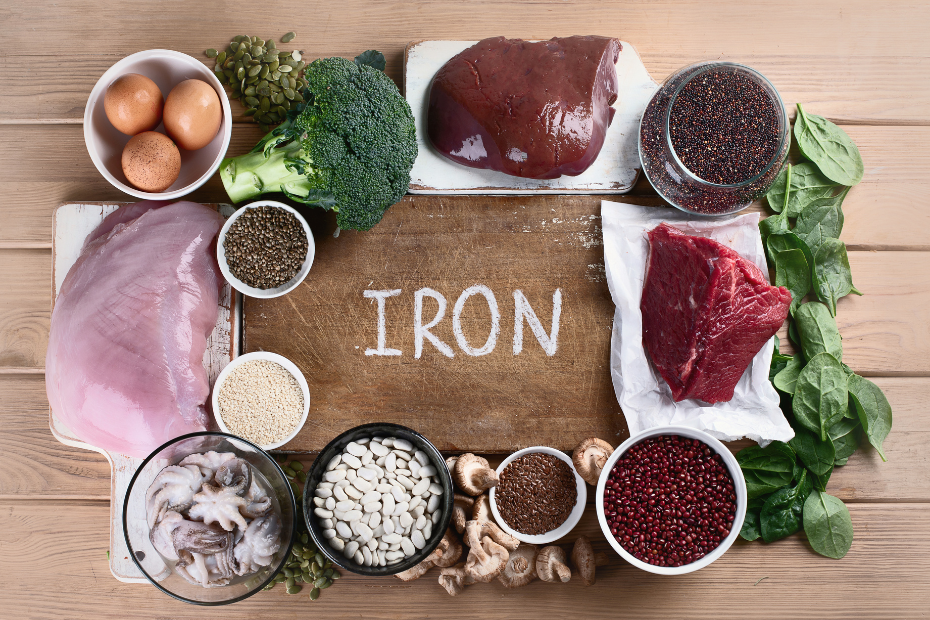
Iron’s one of those things that we get asked about quite a bit. We sometimes see children who produce too much iron and may have Haemochromatosis (he-moe-kroe-muh-toe-sis) – where their body stores too much iron. More often though, we see children who are iron deficient and either on their way to becoming anaemic or have already developed anaemia (uh-ne-me-yah). This article will explore the ins and outs of iron and hopefully answer your question, “how much iron does my child need?”
Why does my child need iron?
Iron’s important to help your child grow and develop. It’s needed to make red blood cells, which carry oxygen around the body. It’s especially important for brain development. It helps with energy levels, to improve concentration, and strengthens the immune system to help fight infections.
What happens if my child doesn’t have enough iron?
If your child doesn’t eat enough foods containing iron they may become iron deficient. If your child is iron deficient, they’re likely to look pale and tired and feel faint. They may not be interested in eating or playing and may have headaches. Iron deficiency can also delay growth and development. Your GP can order a blood test to confirm if your child is iron deficient or anaemic.
What should I do if my child is iron deficient?
If your child has low iron levels, they’re likely to require an iron supplement in the short term to boost their levels. Your GP or Paediatrician will help prescribe the correct supplement dose, as too much iron can also be harmful. Supplements they may recommend include: Ferro-liquid, Maltofer or Pentavite with iron.
Importantly, you’ll also need to work on increasing your child’s intake of iron-rich foods.
Are there different types of iron?
Yes, there are two different types of iron – haem iron and non-haem iron. Haem iron foods are the richest sources of iron and the iron is more readily absorbed. Haem iron is found in animal products. Non-haem iron is found in plant foods and is not as easily absorbed.
Which foods contain iron?
Haem iron
Red meats, seafood, pork, chicken and eggs
Non-haem iron
Wholemeal or wholegrain bread, certain cereals, legumes, tofu, certain nuts, leafy vegetables and some dried fruits
A high-iron food should contain more than 3mg of iron per serve.
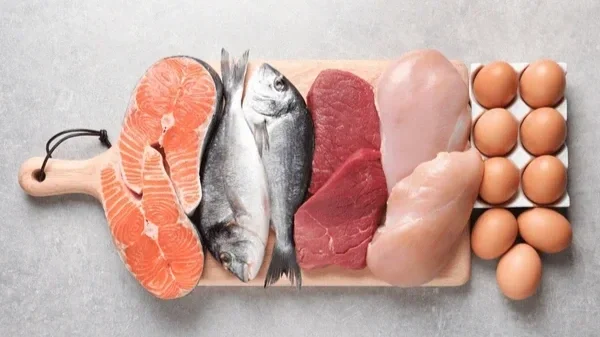
Haem Iron
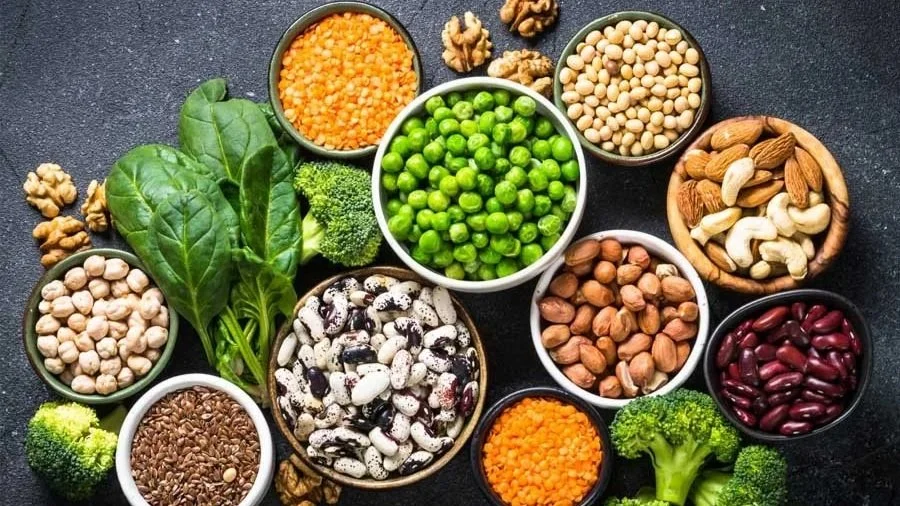
Non-haem Iron
How much iron is needed each day?
Iron requirements depend on factors such as age, gender and physical activity levels. As a general rule of thumb, the amount of iron-rich foods needed each day for most younger children is 2-3 serves per day and for teenagers, it increases to 3-4 serves a day.
Iron-rich foods should be introduced when babies start solids, from around 6 months of age, as this is when the iron-stores start to drop.
What is a serve of iron?
Meat and meat alternatives - 65-100 grams of cooked meat, chicken, pork, fish
Meat alternatives - 1 cup legumes, 2 small eggs
Cereals - ¾ to 1 cup of cereal flakes
Green leafy vegetables - ½ cup of cooked vegetables
Dried fruit - 1/3 cup
Can other nutrients affect iron absorption?
Yes. Some foods increase iron absorption, while others reduce it.
Nutrients that increase iron absorption:
Vitamin C (found in most fruits and vegetables)
Haem iron increases the absorption of non-haem iron
Cooking non-haem iron sources increases absorption
Nutrients that reduce iron absorption:
Calcium
Tannins (found in tea)
Soy proteins
High-fibre foods – eg. bran
Inadequate vitamin A
High milk intake as it reduces appetite for other iron-containing foods
If you need help with improving your child’s iron intake, Naomi can help with this. She’s an extremely knowledgeable dietitian whose specialty is paediatric dietetics. Click to book or send an enquiry.